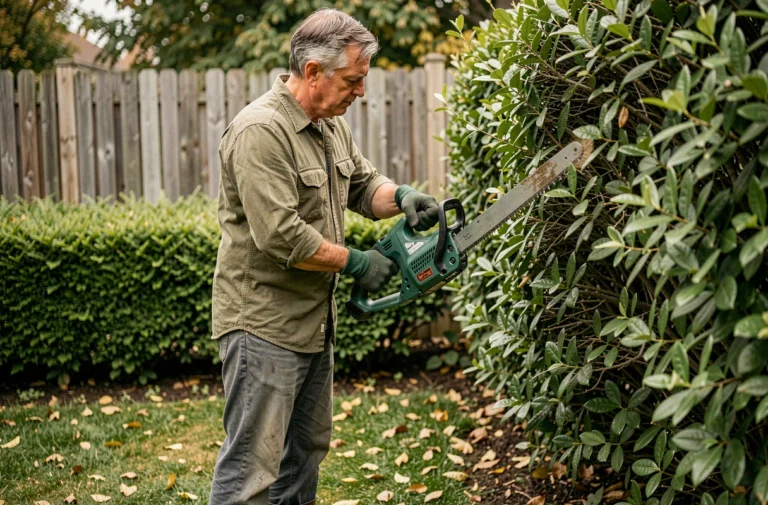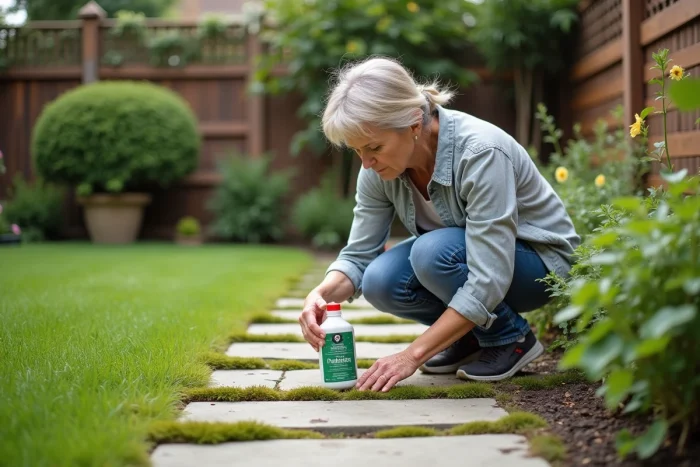
A slab that greens silently is a signal that the garden sends long before the first damage occurs. Moss does not wait for autumn to settle in: it takes advantage of the slightest flaw, overly compacted soil, or a corner abandoned in the shade. Behind the promise of immaculate surfaces, the choice of an anti-moss product raises more questions than it seems.
Getting rid of moss is much more than just a question of immediate effectiveness. There is also the preservation of materials, not to mention the impact on the environment. Some prefer the radical method, convinced by the speed of chemical formulas, even at the risk of damaging surrounding soil or vegetation. Others choose natural alternatives, sometimes wrongly dismissed. Yet, when selected wisely and used regularly, they prove they can compete with the most aggressive means. It is mainly the regular maintenance actions that prevent the need for multiple interventions and limit the repeated use of chemical solutions.
Why is moss invading your garden and terrace?
Moss does not settle without reason. Humidity, whether from light rain, excessive watering, or areas in permanent shade, is enough to provide a favorable environment. Regardless of the time of year or the materials, anything that retains too much water becomes the ideal refuge: stone, wood, poorly drained slabs. Without regular maintenance or if the soil is too compact, the green carpet settles in without waiting.
Imagine the base of a tree left in the shade or a north-facing path where light is lacking: moss invites itself, dense and regular. It’s not complicated for it; it just needs acidic soil, old joints, or a lack of aeration. On roofs or pavements, it even ends up attacking the appearance of the support, sometimes to the point of weakening the structure.
Taking action is not about randomly applying a product. It all starts with observing the area: checking the slope, looking at the texture of the materials, spotting cracks or specific damp areas. Some coverings, like wood, require special care; others, more fragile, do not accept all treatments. Among the various options, choosing an effective anti-moss product requires first identifying the precise cause of the invasion.
Chemical products, natural options, or manual cleaning: which solutions stand the test of time?
Getting rid of moss never means applying the same method to all exteriors. Chemical products have a reputation for acting quickly and forcefully: they eliminate unwanted vegetation deeply, sometimes with visible effects in just a few days. But they leave traces in the soil, even in nearby flower beds. Their use requires caution and rigor: protections (gloves, goggles), meticulously followed instructions, and serious management of the water used. Depending on the location, these products may also have to comply with local restrictions.
Natural alternatives are experiencing a resurgence of interest. White vinegar, baking soda, black soap, citric acid… These products, already present in many households, find a perfect use in the garden. A mixture of baking soda (two or three tablespoons per liter of water) or the vinegar-baking soda combination slows the progression of moss without polluting the soil. Several gardeners also use potato cooking water rich in starch, a discreet trick that has proven effective. These solutions require regularity, and especially interventions during dry weather for real effectiveness.
Manual cleaning remains a popular method, especially for small areas. Broom, squeegee, pressure washer: the effectiveness is there, both on stone steps or terraces and in wooden paths. A good scrubbing eliminates stubborn moss but is not enough to discourage it permanently. To ensure lasting peace, combine this action with a preventive treatment perfectly suited to the material.
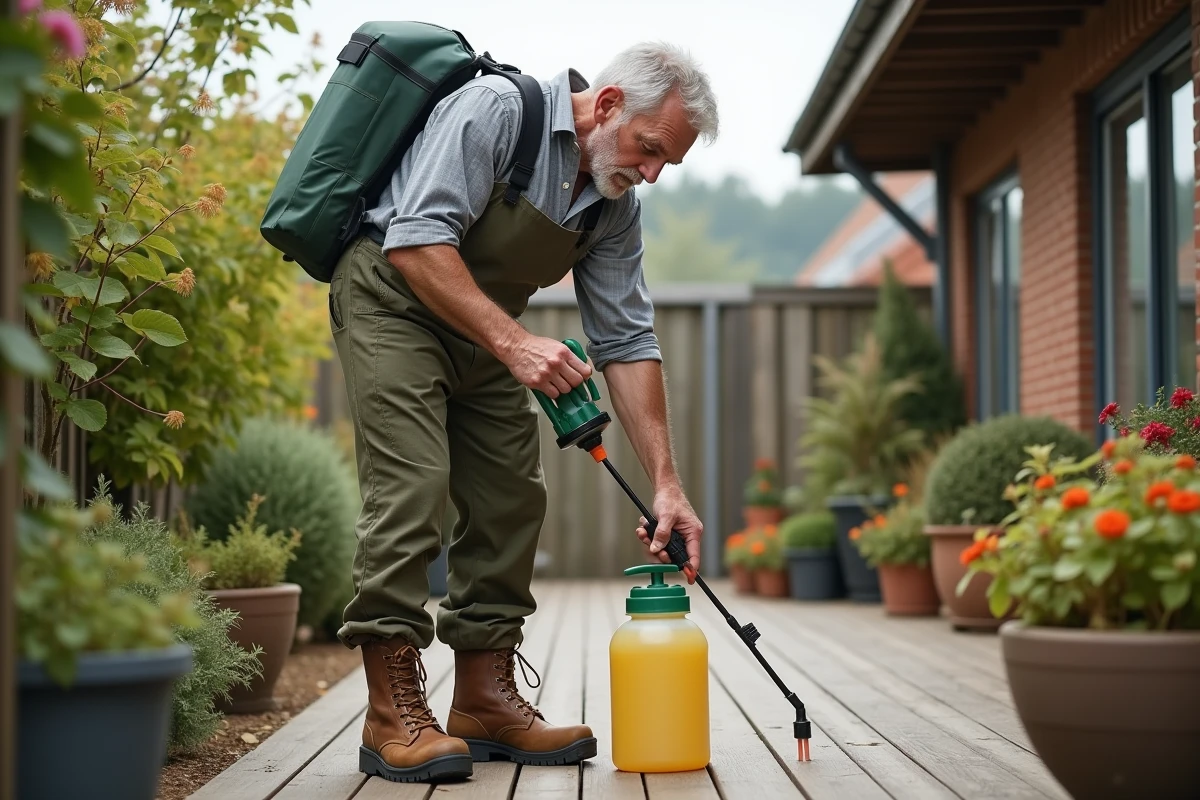
How to prevent the return of moss and preserve your exteriors?
Nothing beats regularity to keep a terrace and a garden clean. By focusing on consistent maintenance, the installation of moss is contained: frequently sweep at-risk areas, remove leaves and debris to avoid providing a hiding place for moisture. As soon as a puddle persists or the soil does not dry out, improve drainage and focus on natural light.
To strengthen surfaces, consider preventive treatment: applying a suitable water-repellent protects the slab or wood from moisture in the long term. Prefer water-based solutions, which are less aggressive to the environment and respectful of nearby biodiversity.
Some concrete habits reduce risks: trim branches that unnecessarily shade, aerate around slabs, act at the first signs of green spots. If a corner remains damp, reduce watering and regularly monitor the condition of the soil.
To limit the appearance of moss, prioritize these simple actions:
- Frequently sweep to remove leaves and debris
- Ensure good water drainage to avoid stagnation
- Renew a preventive treatment periodically to maintain protection over time
Because moss is never far away, the best defense remains constant attention and preventive action. Clean terrace, clean garden: green no longer embeds itself, it merely highlights the shade.