
In 2023, 68% of European professional clubs are investing in teams dedicated to moderating and managing online forums. Ligue 1 has now officially restricted access to certain digital spaces to verified members, while in England, several supporter groups manage their own platforms approved by the federations.
The UEFA regulation on digital responsibility requires clubs to monitor fan interactions, under threat of financial penalties. Some clubs circumvent these constraints by creating private groups on encrypted messaging, thus escaping direct regulation from the authorities.
Diving into the world of fan communities: how football shapes new social bonds
Football is not just about scoring goals or the elegance of a precise pass. The supporter community builds a unique framework, where attachment to one’s club becomes the cornerstone, where each individual, whether an anonymous silhouette or a familiar face, finds their place. In Marseille, Manchester United, or elsewhere, geography fades in the face of this feeling of belonging that unites. Supporter clubs are structuring themselves, establishing rules, and creating their own rituals. The collective experience unfolds in the stands, but also on online platforms.
Behind the tifos and chants, passion and social organization merge. Exchanges ignite on forums and private groups: dissected tactics, debates on transfers, cherished memories of great match nights. The LOSC forum offers a vivid illustration: sharp analyses, clashes of ideas, shared moments, bonds woven through discussions. Here, collective memory is built, unexpected alliances form between different generations and backgrounds.
The fan experience no longer stops at the stadium gates. Clubs, aware of the strength of this network, encourage initiatives, making it possible to meet, both on the field and behind a screen. Sports supporter clubs multiply activities, organize group trips, and pass on the club’s history to the younger generation. This dynamism fuels football, transcends the identity of a neighborhood or city, and outlines the contours of a miniature society where dialogue, even lively, remains the main engine.
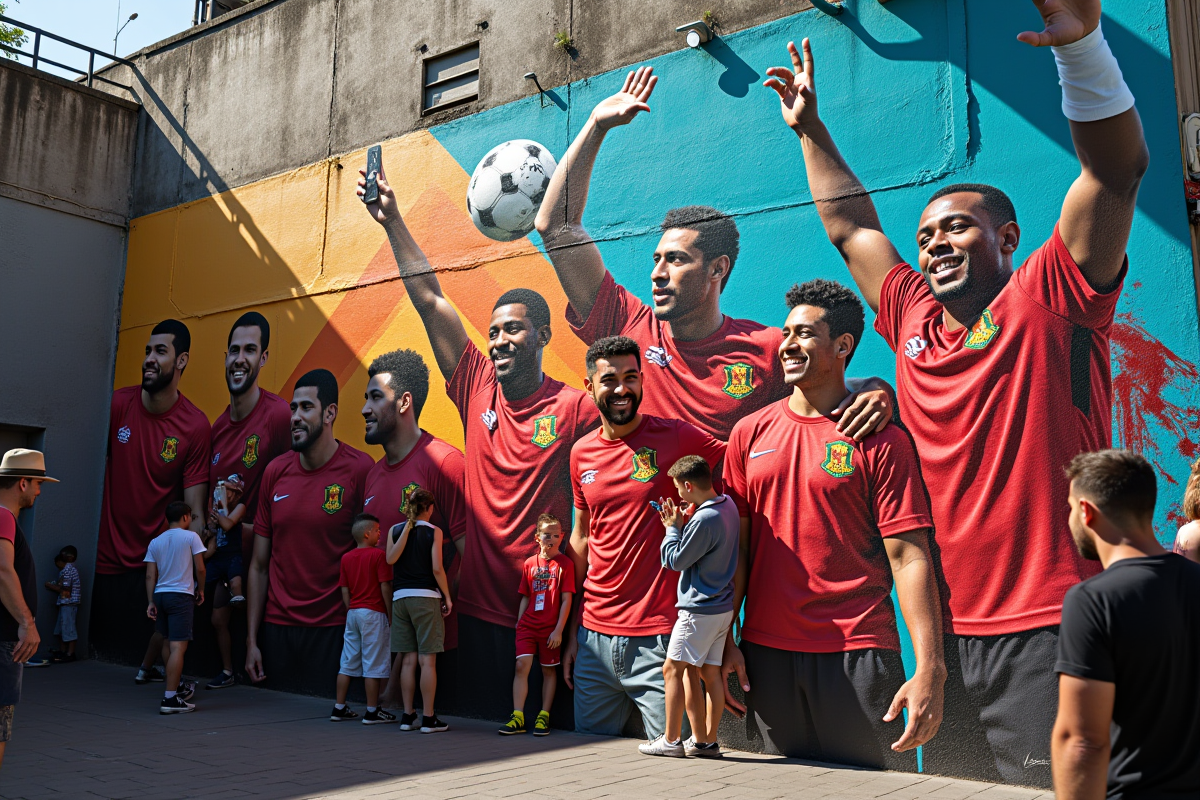
Strategies and secrets of engagement: what clubs and supporters are inventing on social networks
The playing field is no longer confined to the green rectangle. On social media, the community manager orchestrates the meeting between sports clubs and supporters, invents new codes, and shapes a social media strategy that blends digital marketing and collective expression. Every reaction, share, or comment under a behind-the-scenes video or during a live tweet becomes a barometer of engagement.
Authentic content has become the most sought-after resource. Clubs, whether it’s Olympique Lyonnais or Paris Saint-Germain, are betting on immersive formats: cameras in the locker rooms, training sequences, players’ spontaneous comments. Supporters inhabit these spaces, extend the discussion, offer their analyses, share photos and videos, and gradually influence the editorial line. Here, social media is never just a one-way discourse: it becomes a space for exchanges, negotiation, and collective creation.
To illustrate this dynamic, here are some key practices that rhythm the digital life of fans:
- Live tweets: reacting to every action and sharing the adrenaline of the match live
- Short clips and stories: opening windows to the behind-the-scenes, capturing the moment
- Polls and interactive games: inviting the community to participate, to set the tone and atmosphere
Sports clubs are of course looking to generate revenue, but the focus has shifted: it is the engagement of supporters that now matters. In France, the influence of social media is growing, disrupting the relationship between institutions and the passionate base. Digital media have become real levers, capable of bringing fans and clubs closer together, transmitting emotions unfiltered, and placing the supporter at the center of the system.
Tomorrow, virtual stands could weigh as much as the grandstands of the past. Football, more than ever, is being written in multiple voices, and every click extends the chant of the stadium.